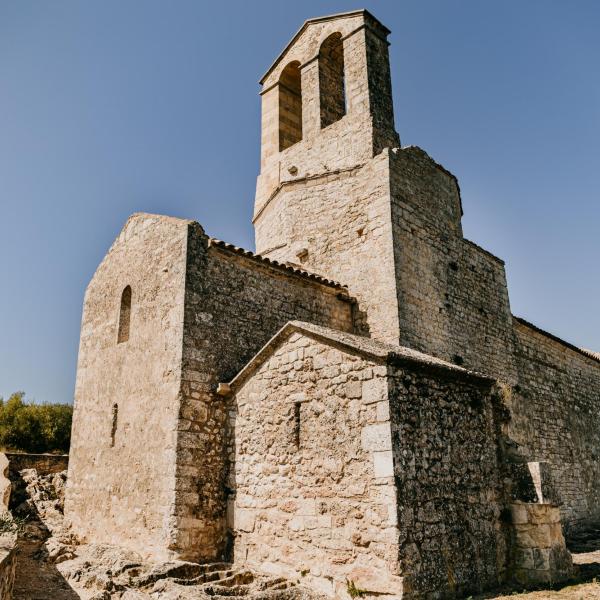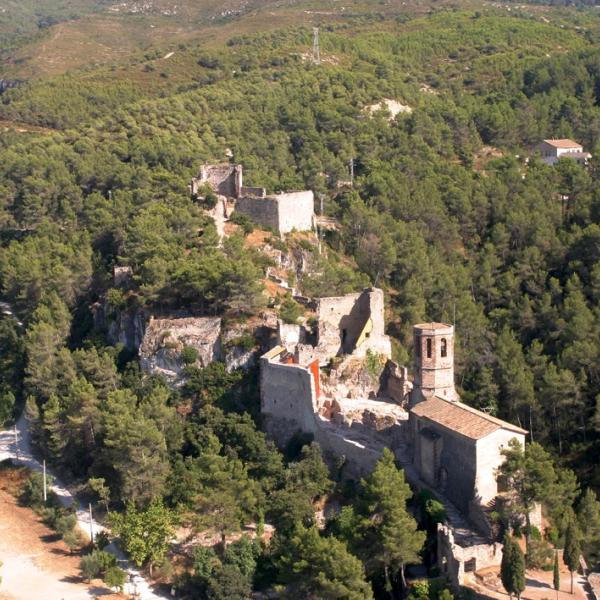
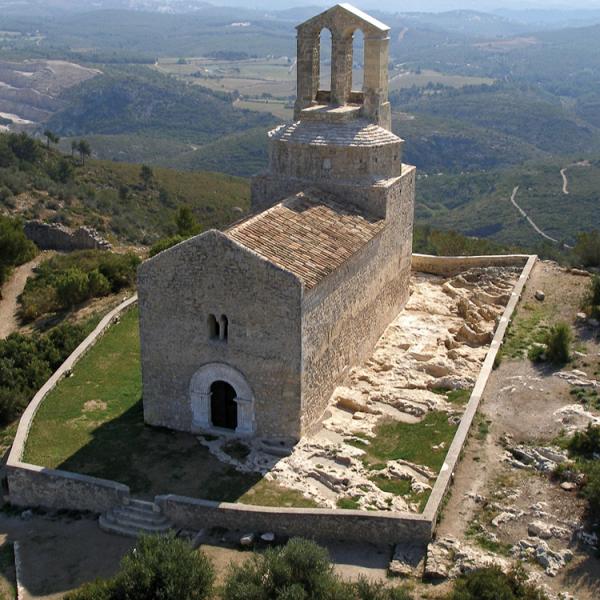

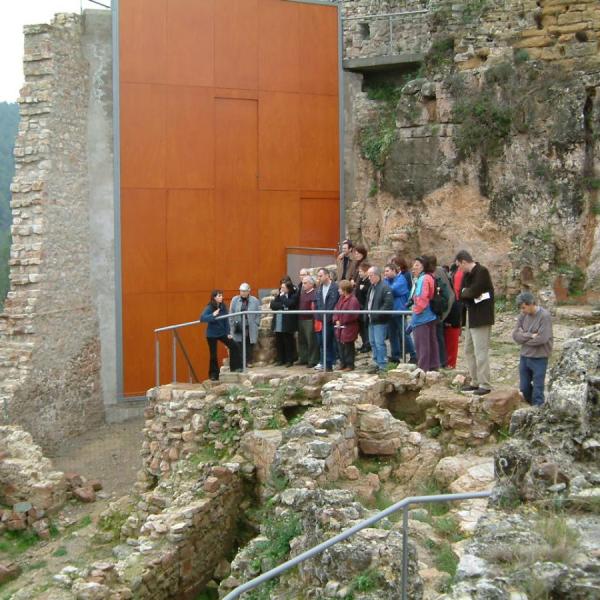
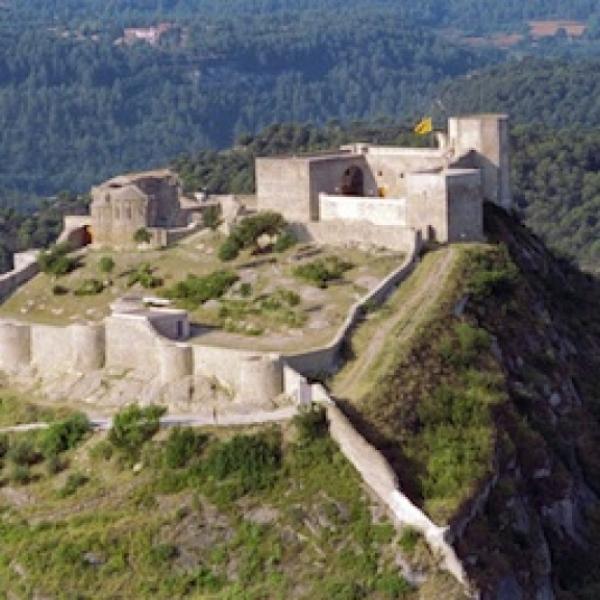
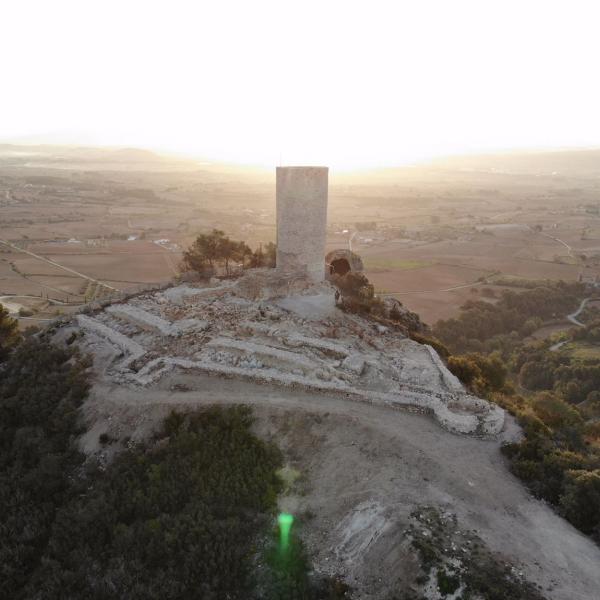
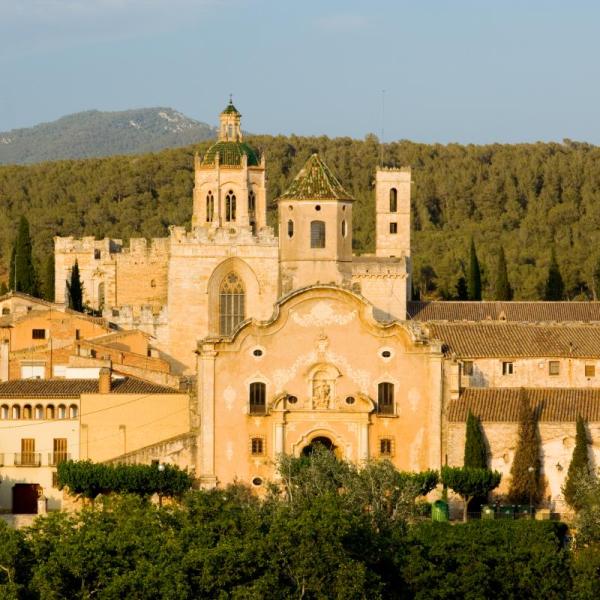
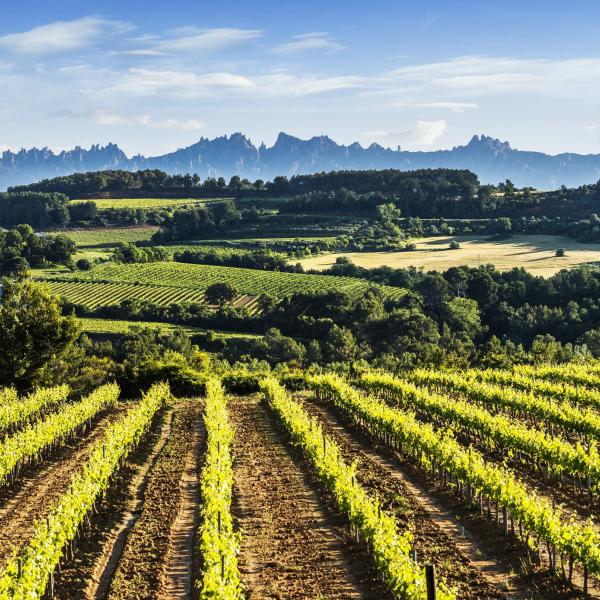


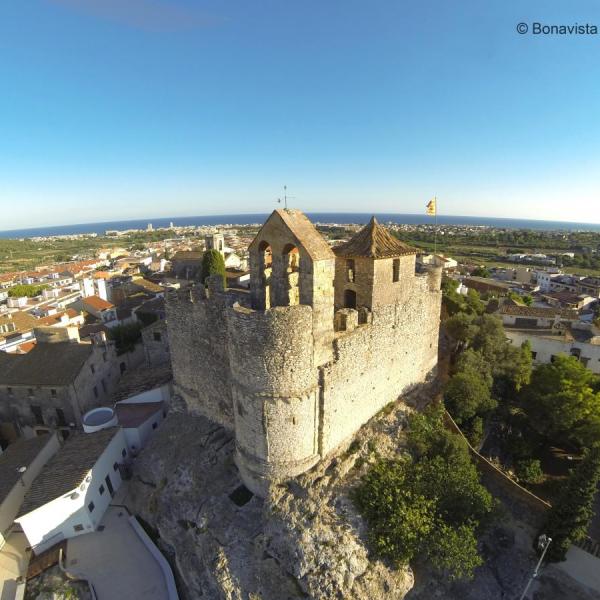
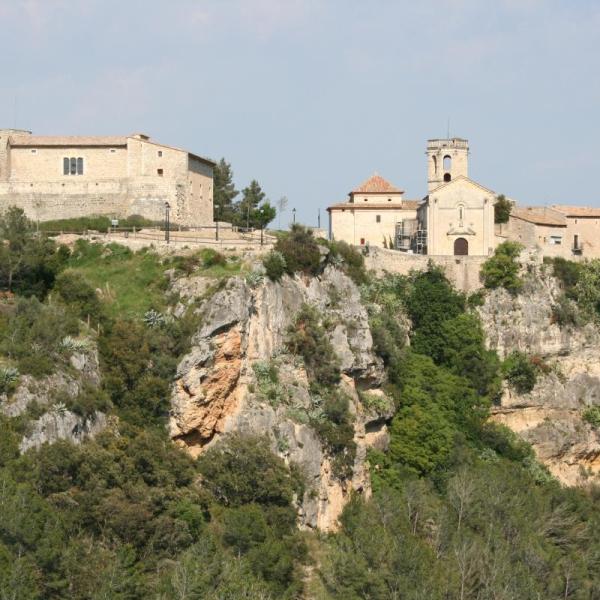

The castle and the church are a fortified complex from the 10th c. From the Center for Interpretation different proposals are offered to discover its history
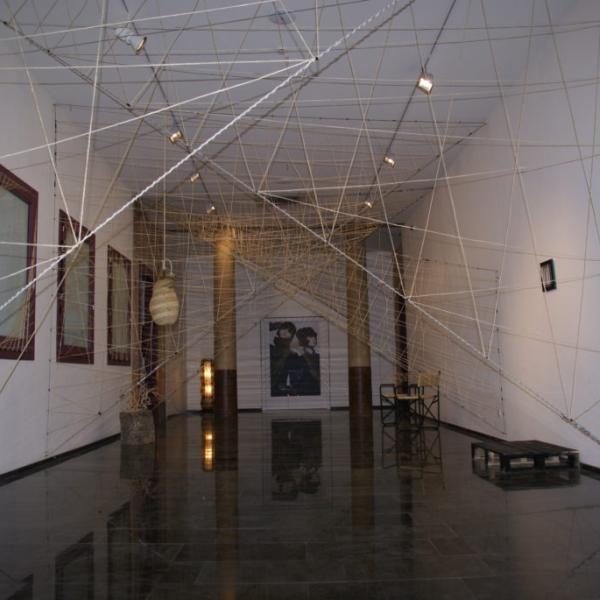
Production center and host of proposals in the field of contemporary creation
The Penedès - Garraf area was for a long time a frontier zone with the Sarracens. Those were times of violence and upheaval, but above all because of
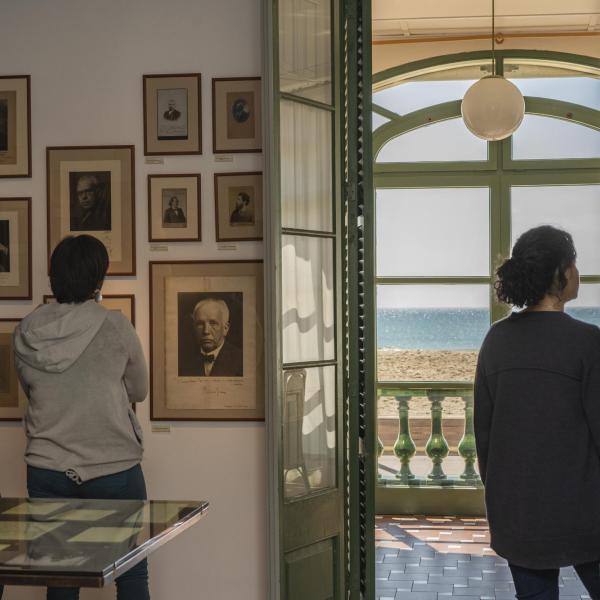
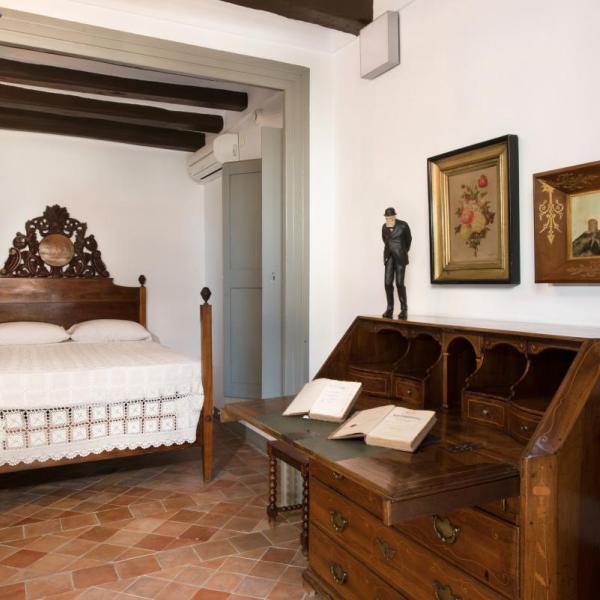
House-workshop of the painter and writer Santiago Rusiñol (1861-1931) which became a public museum in 1933 due to the artist’s legacy in Sitges.
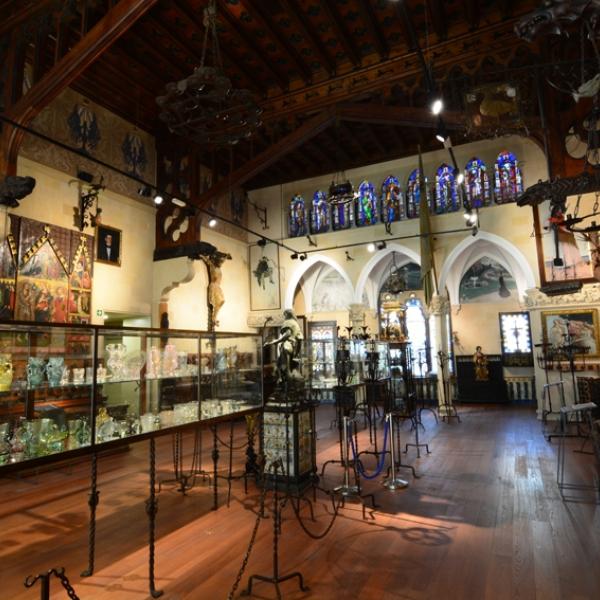
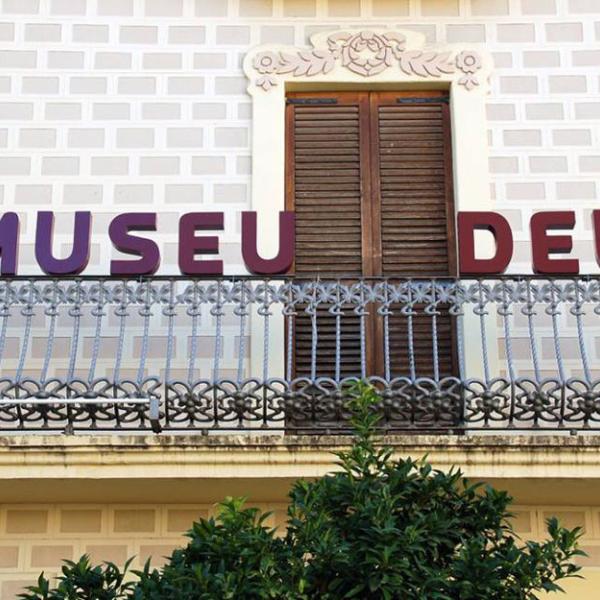
He is one of the most important examples of Catalan collecting in the 20th century, founded by the town's notary, Mr. Antoni Deu Font.
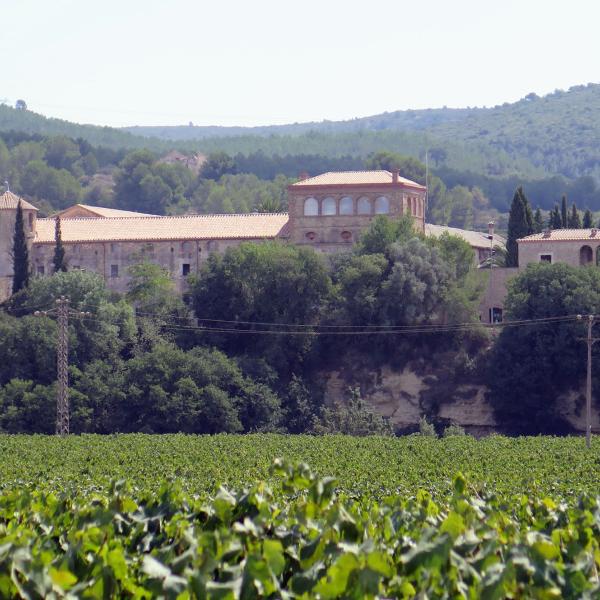
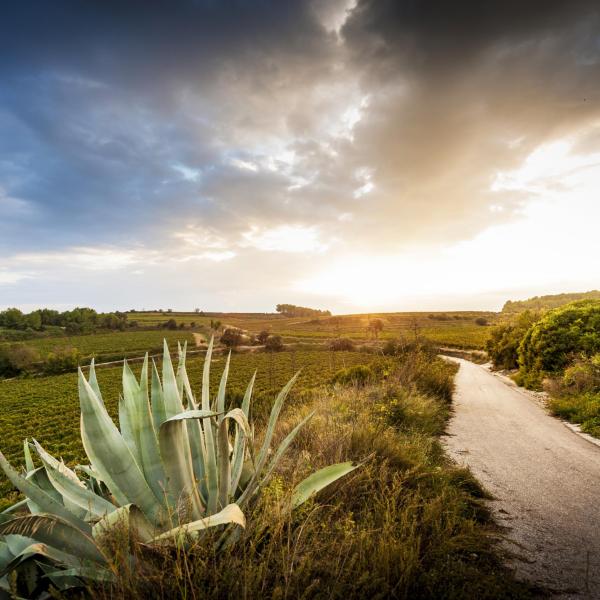
Les restes del castell de Marmellar i l'església de Sant Miquel formen un conjunt encimbellat a 380 m d'altitud al mig de la vall.
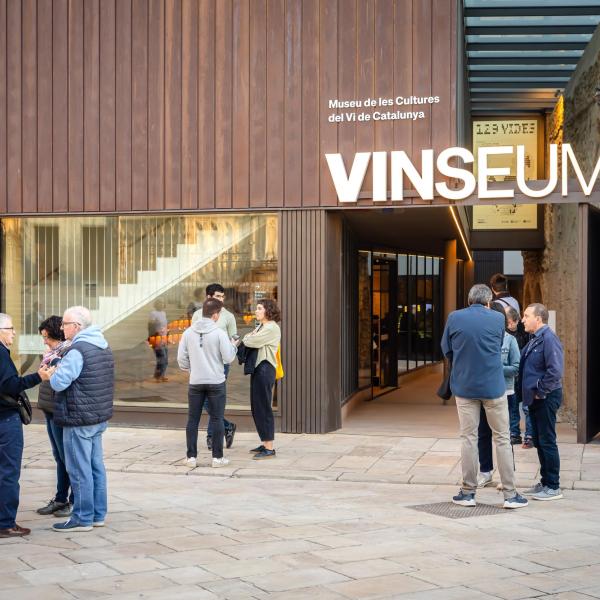
The permanent exhibition at the VINSEUM is dedicated to the vineyard and wine, and the close connection these have with the Penedès region and Catalonia. Your journey starts on the third floor of the Royal Palace and ends with a cava or wine tasting in the tavern of the museum.
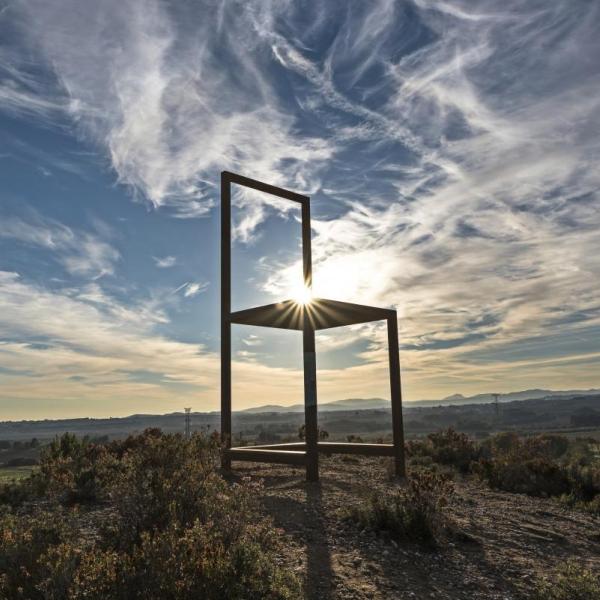
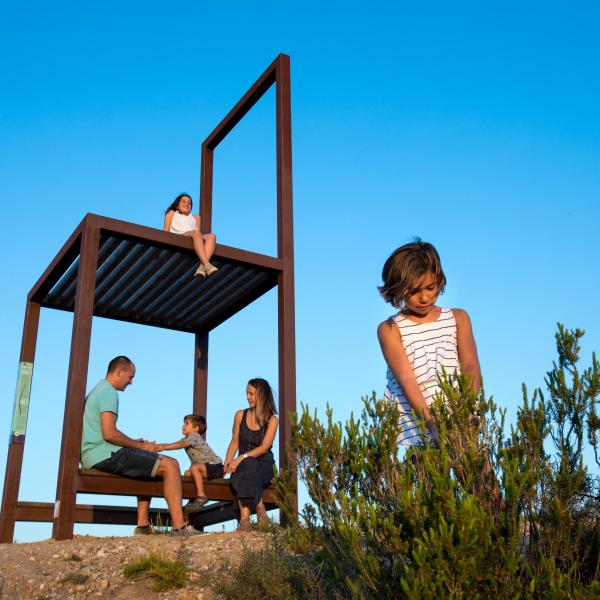
A giant chair rises on the small hill of La Malgranada (Torrelavit), an ideal place from which to interpret nature, 360 degrees.
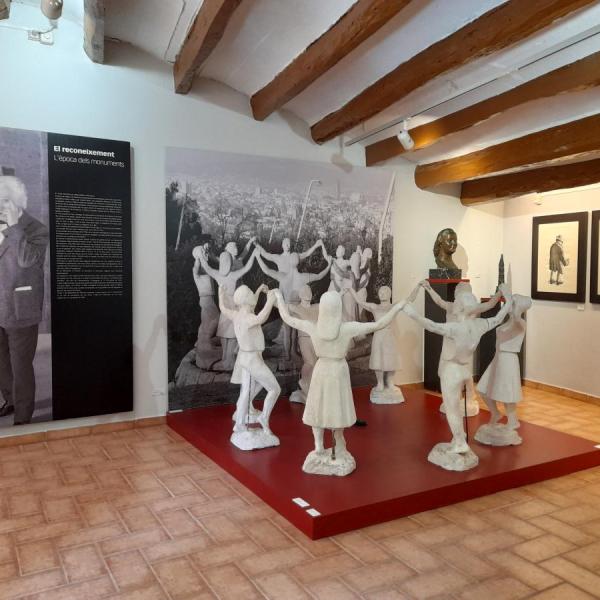
Contiene esculturas, dibujos y moldes que permiten un recorrido cronológico por sus diferentes etapas creativas.
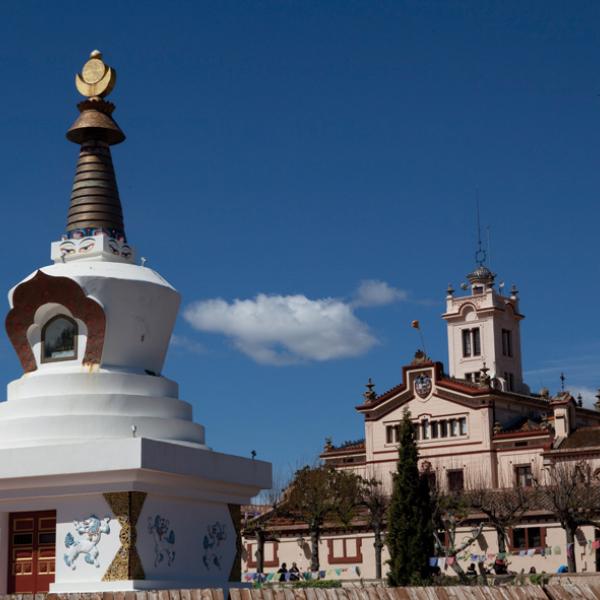
The Garraf Buddhist Monastery is located in the municipality of Olivella, in a prime location in the Garraf Park. It is a building built in 1905 by a
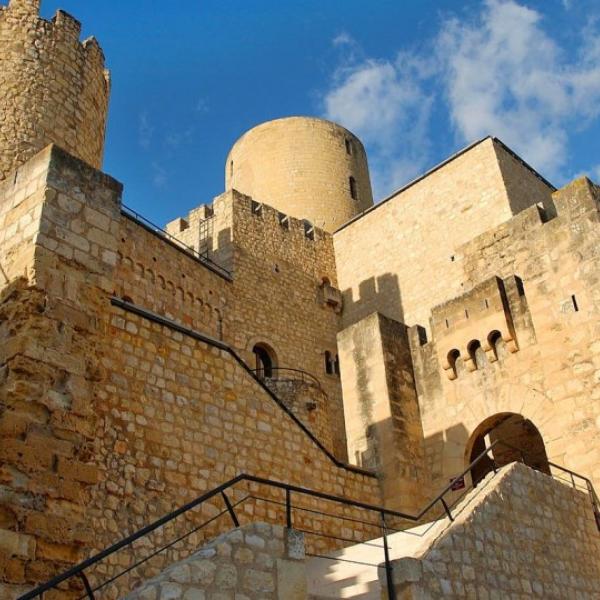
Castellet Castle, built on the remains of fortifications dating back more than 2,500 years, was built in 977 with a basic structure consisting of a watchtower and a small wall.
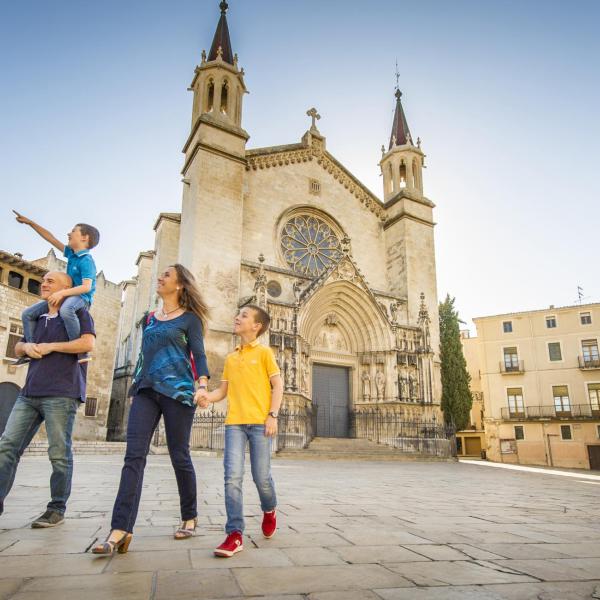
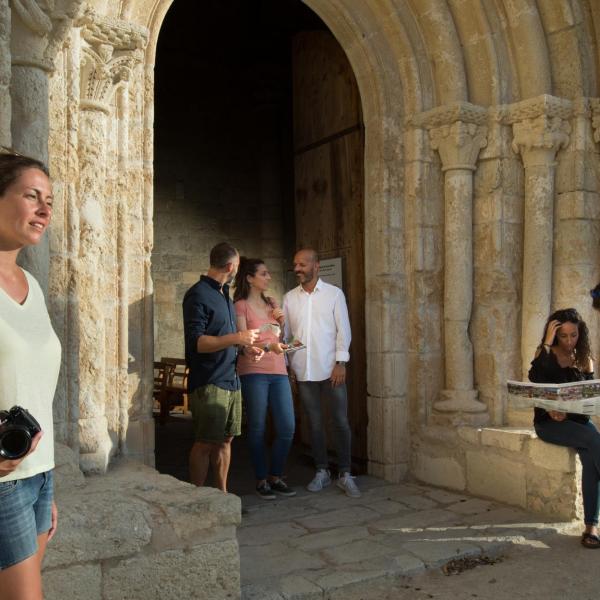
Church of Santa María, a visit from Romanesque to Gothic, surrounded by gargoyles, modernist sculptures and a majestic organ.
Cal Ximet, the original house of the Guimeràs, is located in the center of the town of El Vendrell.
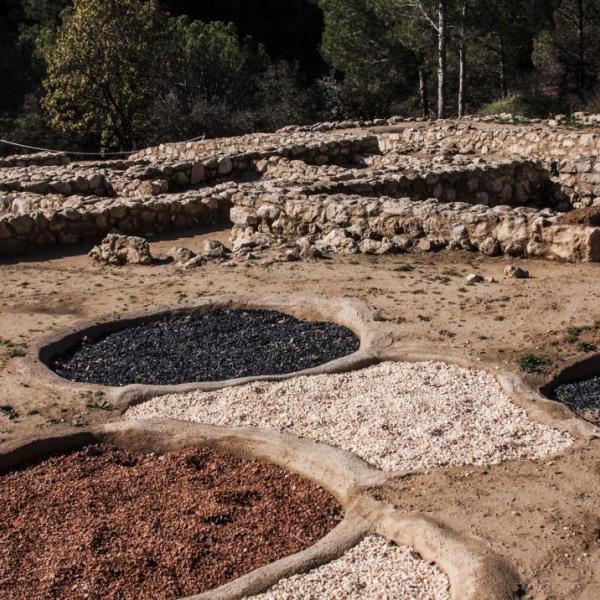
Iberian site from the 7th to 1st centuries BC located in Avinyonet del Penedès where evidence has been found related to the beginnings of the vineyard and wine in Penedès.
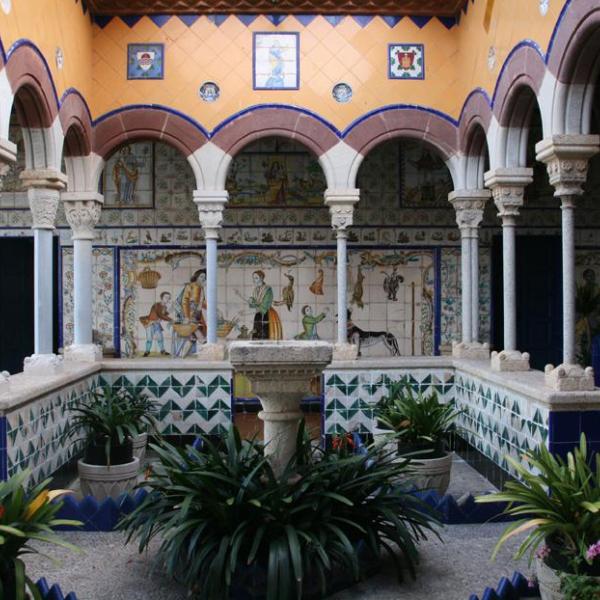
Built by Miquel Utrillo between 1913 and 1918 to house the important art collection belonging to American industrialist and collector Charles Deering
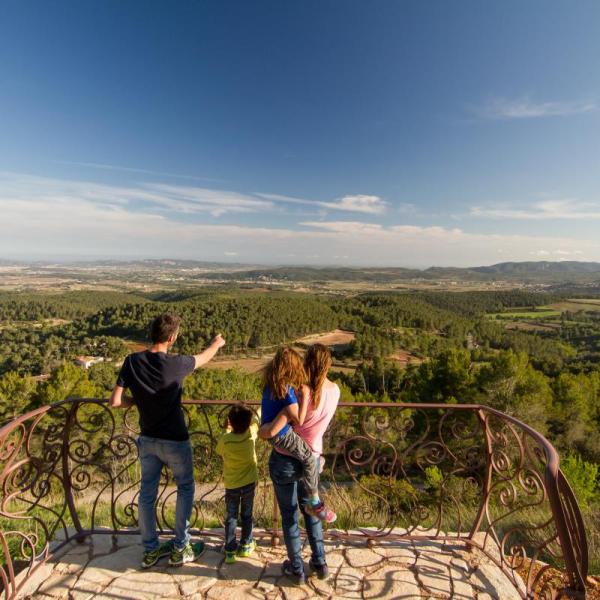
In the north of Penedès, the forged balcony gives us an extraordinary panorama with the Mediterranean in the background.
Can Papiol is much more than a house: it's place where you can travel in time
Penyafort Castle, a 10-century-old architectural ensemble restored to spread a cultural legacy linked to the history of Catalonia
Founded in the second half of the 10th century, it was part of the county of Barcelona, and was integrated into the network of castles that marked the border between the Catalan counties and Al-Andalus, with the function of protecting and organizing the territory.
Capellades Museum and Paper Mill is housed in an 18th century paper mill called “Molí de la Vila”
Santes Creus Monastery came into being in 1160 under the patronage of the Montcada and Cervelló houses and Count Ramon Berenguer IV. On the banks of

Discover

Main attractions

The Castle of the Holy Cross is a fortified area from the medieval period, first documented in 1037
Sant Martí Sarroca’s medieval church and castle are regarded as an historic and artistic site of national interest.
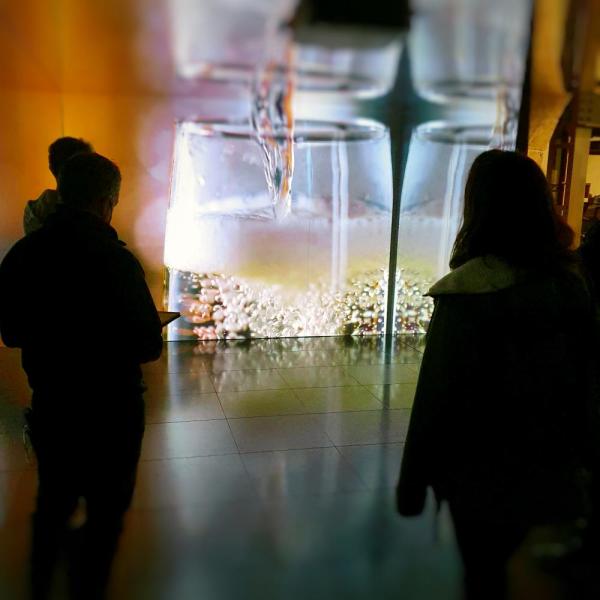
Interactive space with audiovisual resources where we explain the town's history, Fil.loxera and Cava.
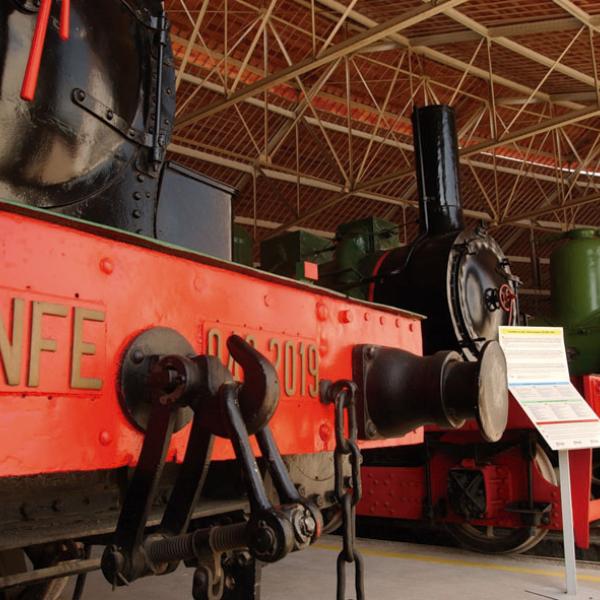
The Museum is located in the original installations of the steam locomotive depot of Vilanova i la Geltrú, some railway constructions done between the

Where to go

Plan

If you need it

Before you come, you must know…

What to do in Penedès

Agenda

Vilafranca del Penedès
17-18 December
Avinyonet del Penedès
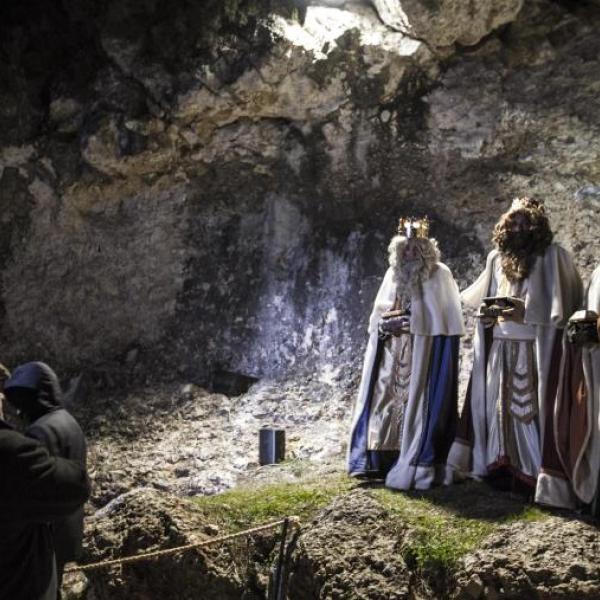
22, 25, 26 & 28 Dec 2025 - 1 & 4 Jan 2026

Now it is the season of…