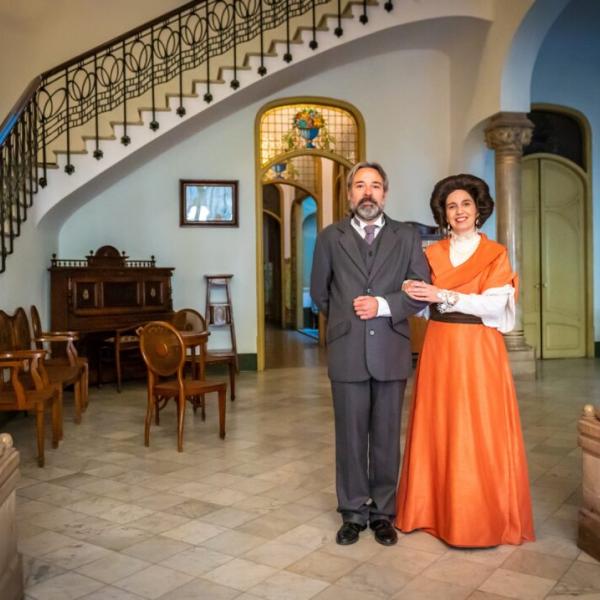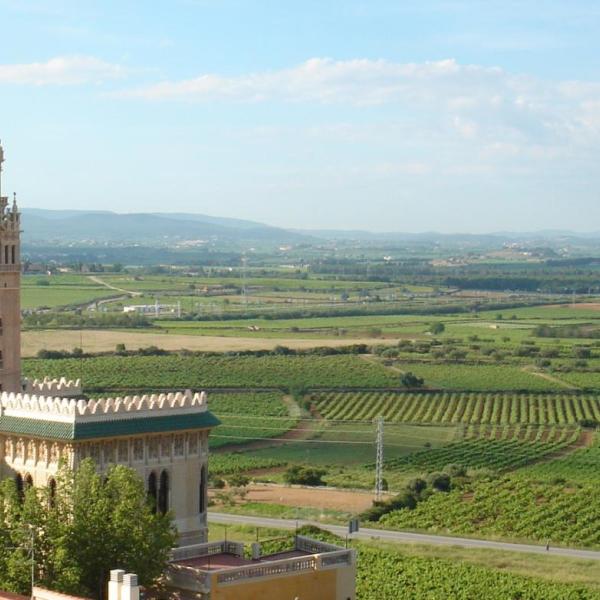
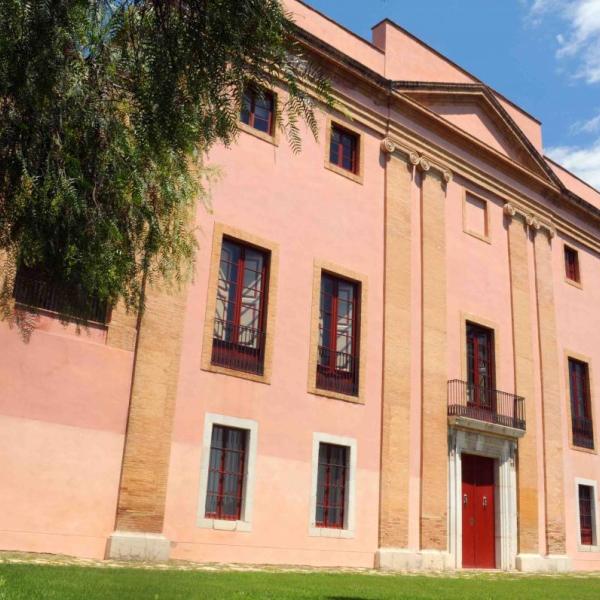





The creator of this building was born in L'Arboç, Joan Roquer i Marí. After his honeymoon trip to Andalusia, the wealthy newlyweds returned to
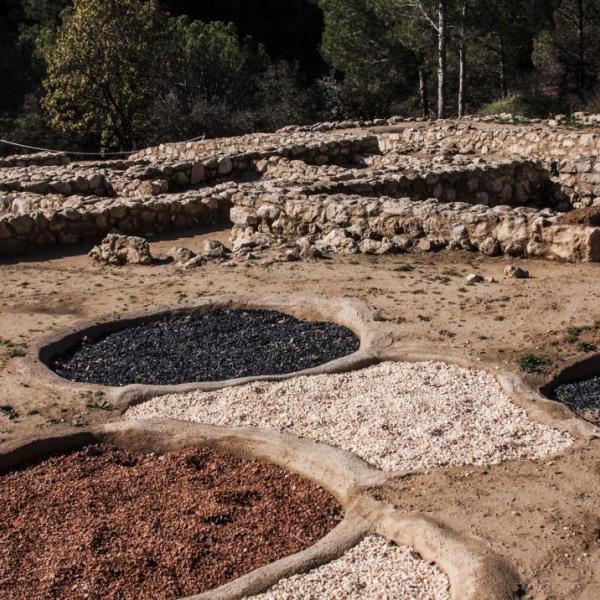
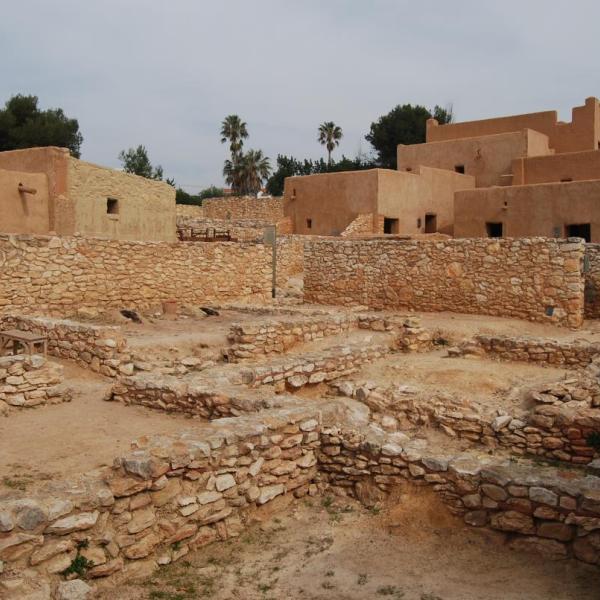
Iberian site from the 7th to 1st centuries BC located in Avinyonet del Penedès where evidence has been found related to the beginnings of the vineyard and wine in Penedès.
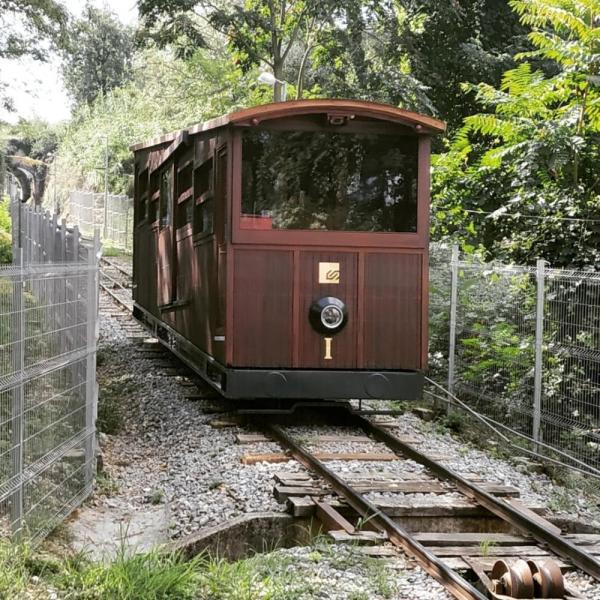
This center was opened in 2016, offering information on the history of the funicular (cable car), its different stages and remodeling, its technical characteristics, as well as exhibiting different particular objects of the Funi. It is also the Tourist Information Point of the municipality.
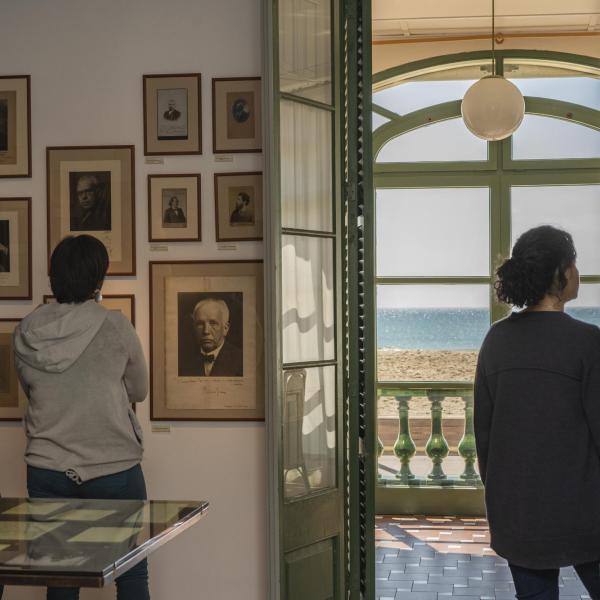
House-workshop of the painter and writer Santiago Rusiñol (1861-1931) which became a public museum in 1933 due to the artist’s legacy in Sitges.
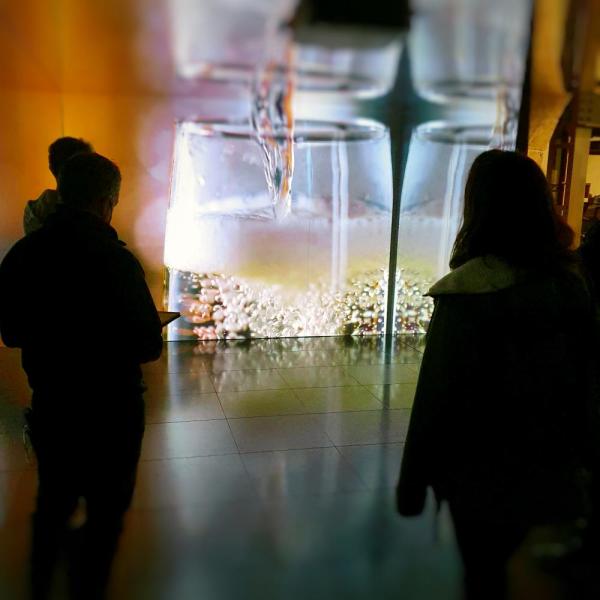
Interactive space with audiovisual resources where we explain the town's history, Fil.loxera and Cava.
The project of the Funicular de Gelida was carried out by the engineer Santiago Rubió i Tudurí, and was opened on November 1, 1924. The funicular was
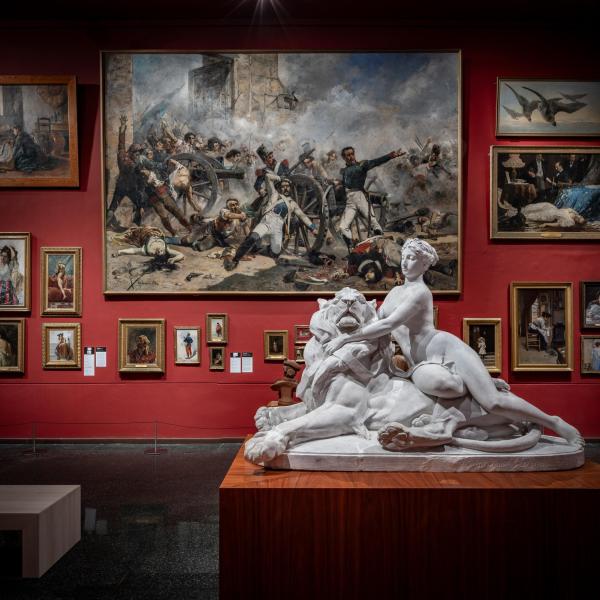
Art, culture and history in a museum full of surprises.
In the CDIAT you will take a trip around Torrelavit and its history, the River Path and the paper industry thanks to the 12 mills in the municipality.
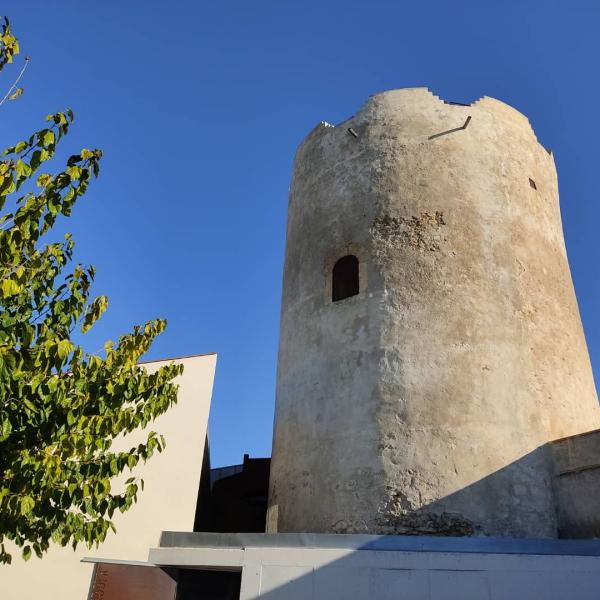
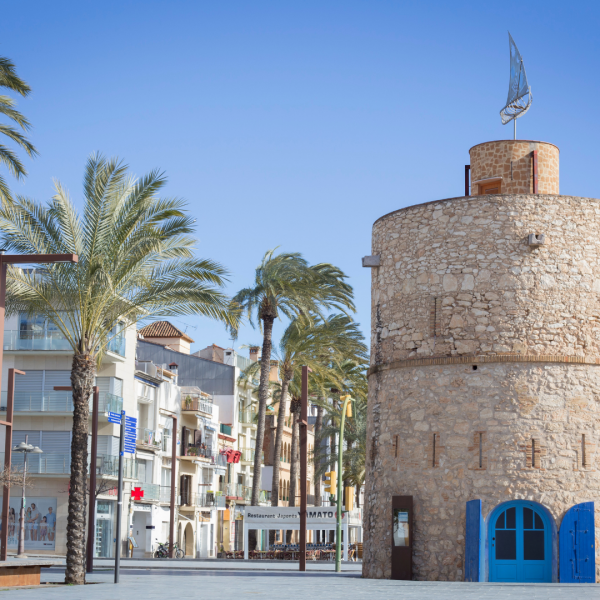
From an old defense tower to a contemporary art space dedicated to the blues of the sea.
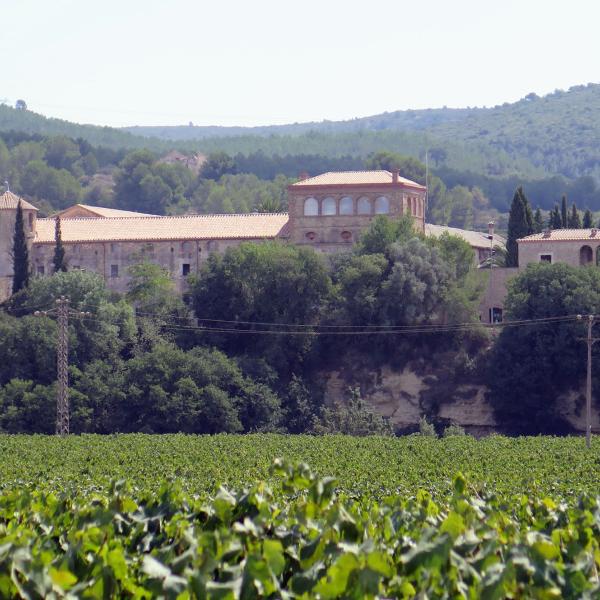
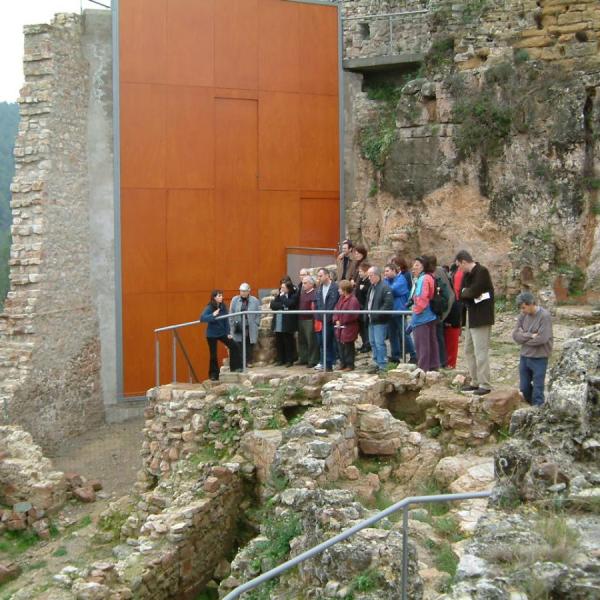
Penyafort Castle, a 10-century-old architectural ensemble restored to spread a cultural legacy linked to the history of Catalonia
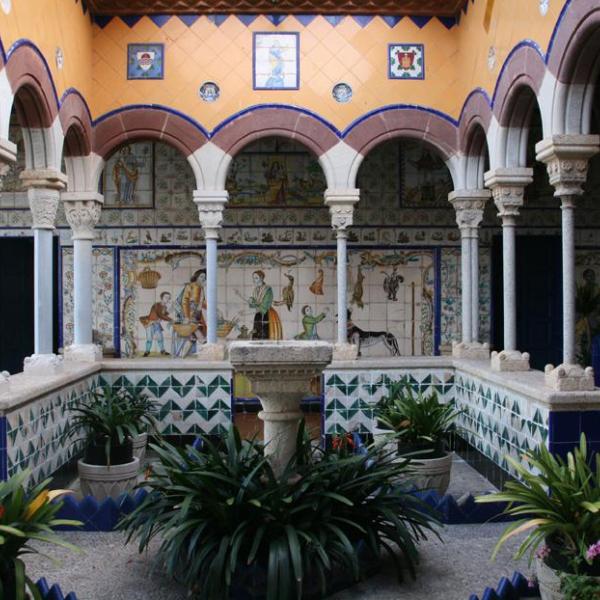
Located in the old Sant Joan Hospital building (14th c), between 1910 and 1914 it was reconverted into the residence of American industrialist and
The Iberian Citadel of Calafell is a unique pre-Roman archaeological site in the country.
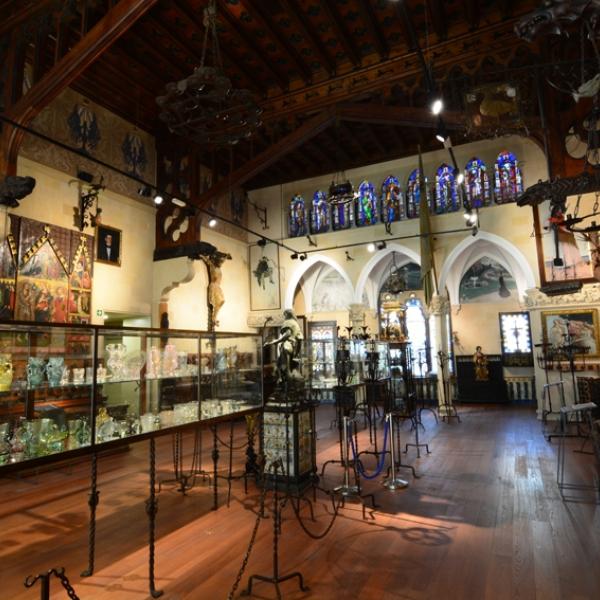
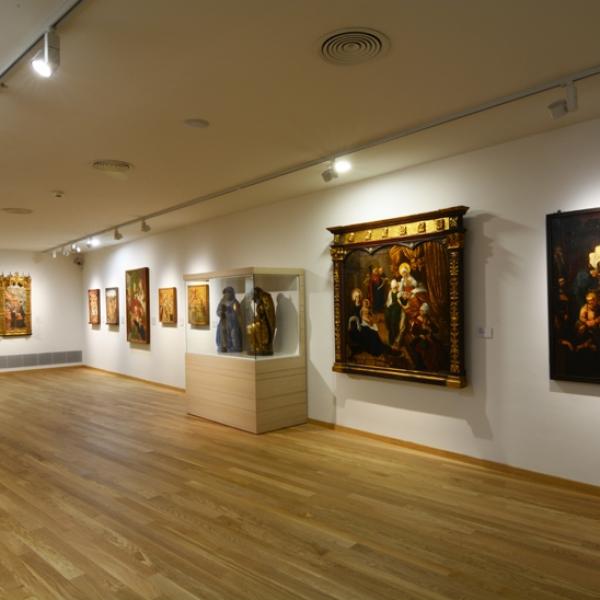
Built by Miquel Utrillo between 1913 and 1918 to house the important art collection belonging to American industrialist and collector Charles Deering
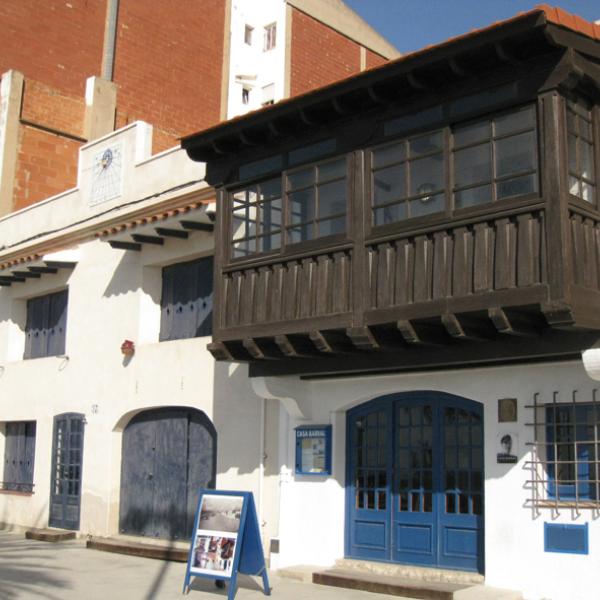
The “Casa Barral” is an old fisherman's house, located on the Calafell promenade, where the poet and publisher Carlos Barral and his family lived

Discover

Main attractions

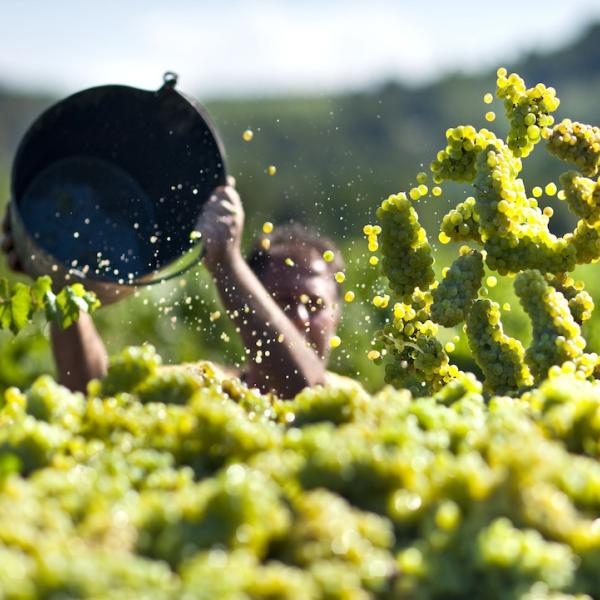
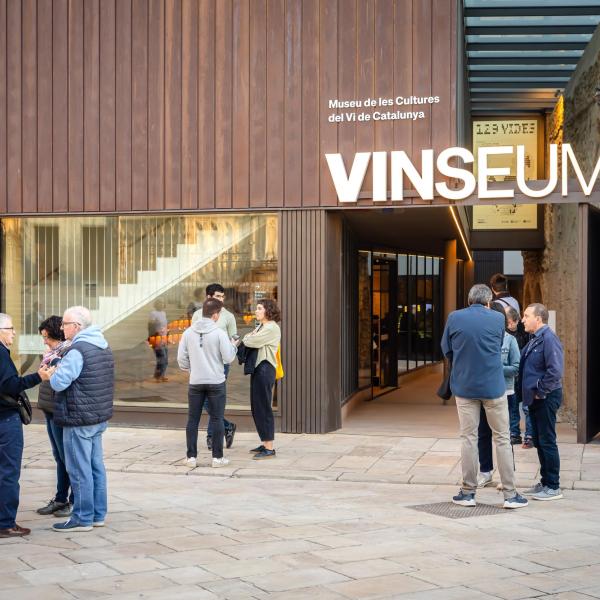
The permanent exhibition at the VINSEUM is dedicated to the vineyard and wine, and the close connection these have with the Penedès region and Catalonia. Your journey starts on the third floor of the Royal Palace and ends with a cava or wine tasting in the tavern of the museum.
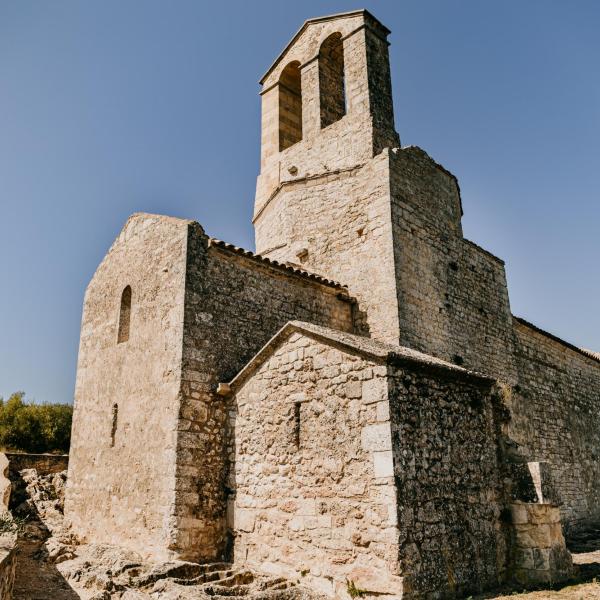
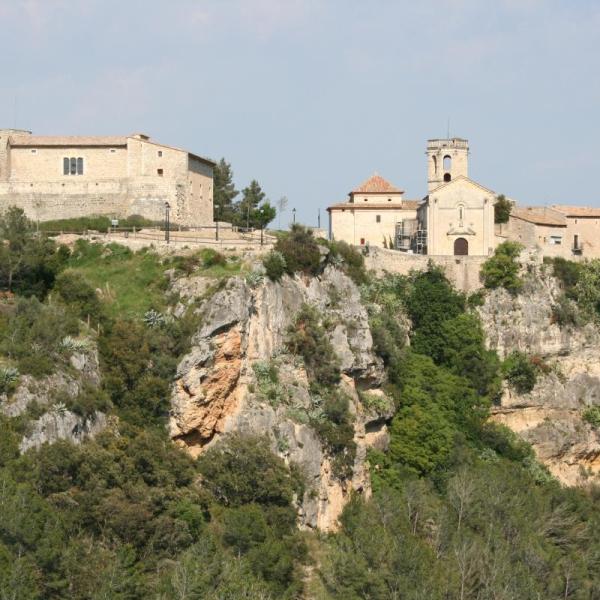
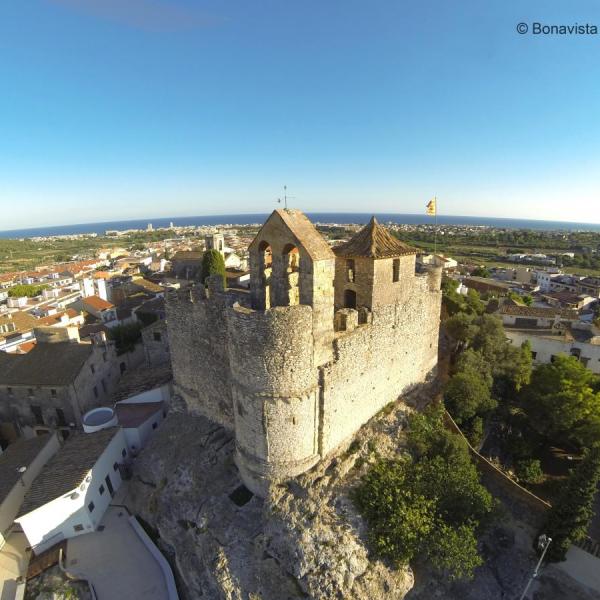
Sant Martí Sarroca’s medieval church and castle are regarded as an historic and artistic site of national interest.
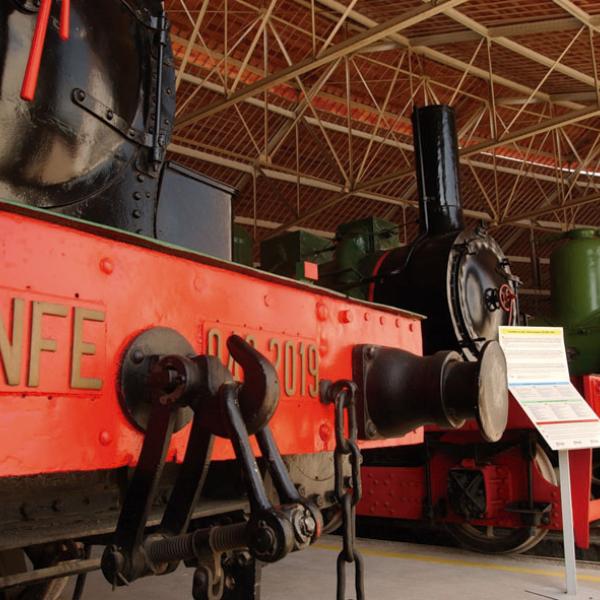
The Museum is located in the original installations of the steam locomotive depot of Vilanova i la Geltrú, some railway constructions done between the
The Castle of the Holy Cross is a fortified area from the medieval period, first documented in 1037

Where to go

Plan

If you need it

Before you come, you must know…

What to do in Penedès

Agenda

Vilafranca del Penedès
17-18 December
Avinyonet del Penedès
22, 25, 26 & 28 Dec 2025 - 1 & 4 Jan 2026

Now it is the season of…